The Core Sliding Mechanic
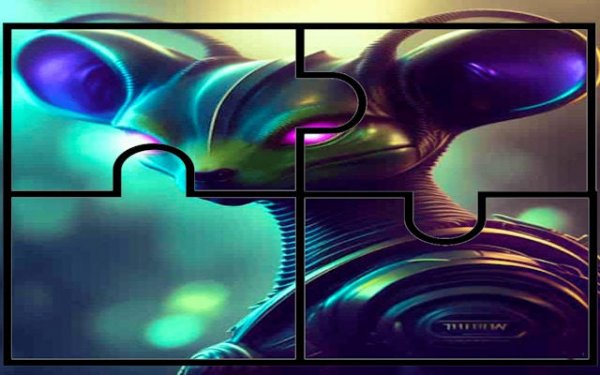
Cosmic Sliding Picture Challenge uses the familiar sliding tile format. A grid holds several tiles, each showing a piece of a larger space image. One spot stays empty, and you click or tap any tile next to that gap to slide it over. The goal is to rearrange every tile until the full picture is restored. There is no timer, so you can plan each move without rushing. This makes the game approachable for newcomers while still offering a satisfying logic exercise for puzzle fans.
Space-Themed Artwork and Variety
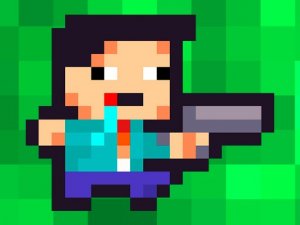
Each puzzle features imagery drawn from space, including nebulae, planets, and stylized cosmic characters. The artwork changes from puzzle to puzzle, so you regularly encounter new compositions. This visual variety gives each completed picture a small reward: seeing a new scene come together. The exact number of images is not specified, but the rotating themes keep the experience from feeling repetitive.
Grid Sizes and Difficulty
Difficulty depends on the grid size you choose. Smaller grids like 3x3 solve quickly and suit beginners. Larger grids like 4x4 require more moves and more careful planning. The underlying logic stays the same, but the number of possible arrangements grows with the grid. This lets you pick a puzzle that matches your current comfort level or gradually increase the challenge as your skills improve.
Strategic Solving and Interface
Effective solving often starts with the corner pieces, since they have fewer valid positions. Once the outer edges form a frame, the inner tiles become easier to place. Completing one row or column at a time can prevent confusion. Because there is no time pressure, you can experiment with different sequences and learn from each attempt. The interface is clean and intuitive: tiles move by clicking or tapping the tile adjacent to the empty space. Controls respond immediately, and the uncluttered layout keeps your focus on the puzzle. No instructions beyond the core mechanic are needed, which lowers the barrier to entry for all ages.





Comments
0 comments