Matching Mechanics Made Simple
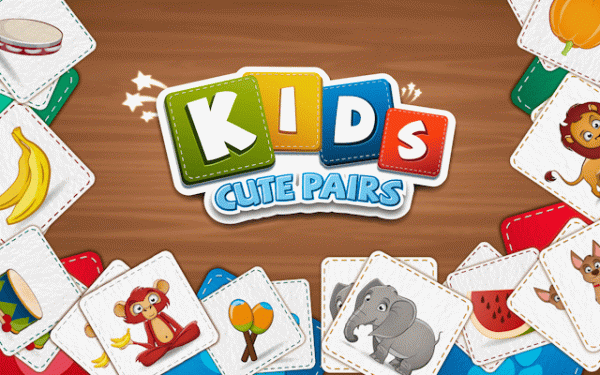
At its core, Toddler Match & Recall presents a grid of face-down cards. Each card hides an image from a chosen theme. Players tap or click to flip two cards per turn. If the images match, the cards remain visible and the player earns a point. If not, the cards flip back. The goal is to clear the board by finding all pairs. This straightforward loop encourages repeated play and gradual improvement.
Thematic Learning Opportunities
The game offers several themed card sets, including fruits and vegetables, musical instruments, and animals. Each theme introduces new vocabulary through bright, recognizable images. A child playing the animal theme, for instance, sees pictures of a cat, dog, or bird alongside their names. This design turns each session into a mini language lesson without feeling like work.
Difficulty Progression
Three difficulty levels allow children to start with smaller grids and advance to larger ones as their skills grow. Beginners might face a 4x4 grid, while more experienced players tackle a 6x6 layout. This gradual increase in complexity helps build confidence and prevents frustration. Parents can adjust the level to match their child’s current ability.
Two-Player Mode
A two-player option introduces turn-based play. Children take turns flipping cards, with the game tracking each player’s matched pairs. This mode encourages social interaction, patience, and friendly competition. It also teaches basic turn-taking and sportsmanship, making it suitable for siblings or playdates.
Safe and Focused Environment
The game contains no advertisements, external links, or inappropriate content. Its simple interface and gentle sound effects keep children engaged without overstimulation. Parents can feel confident letting young kids play independently. The design prioritizes learning and concentration over flashy distractions.





Comments
0 comments