The Core Objective
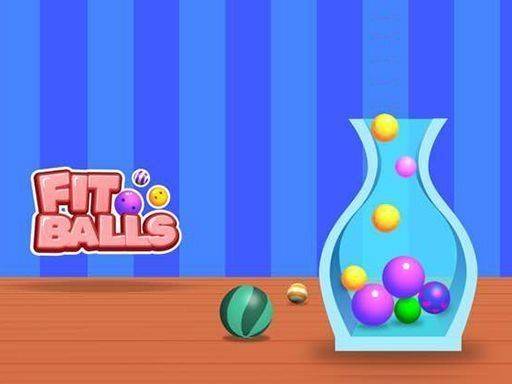
Every round presents a clear challenge: place all the given balls into a container without exceeding a visible fill line. The container is transparent, so you can watch each ball settle and roll into place. Success depends on understanding how objects occupy space and interact under gravity. This is not about speed but about thoughtful arrangement.
Physics-Driven Placement
When you tap or click, a ball drops and reacts naturally to the container and other balls already inside. It may roll, bounce slightly, or nestle into a gap. This realistic behavior means that the order you drop balls matters. A large ball dropped early can create a stable foundation, while smaller ones later can fill leftover pockets. The physics engine adds a layer of unpredictability that keeps each puzzle fresh.
Visual Style and Atmosphere
The graphics use bright, solid colors and clean outlines, making the game easy to see on any screen. The jar and balls are simple but appealing, with no distracting details. The overall mood is calm and positive, supported by gentle sound effects that accompany each drop. This design makes the game suitable for short breaks or longer sessions without causing eye strain.
Progression and Difficulty
Early puzzles introduce the basic concept with a few balls and a generous container. As you advance, the number of balls increases, and the container shape may become more restrictive. Some levels might include irregularly shaped containers or require a specific arrangement to succeed. The difficulty curve is gradual, so players can build their spatial reasoning skills over time.
Strategic Approaches
Experienced players often develop a mental plan before making the first drop. Observing how balls settle after each placement helps refine the next move. There is no timer, so taking time to analyze the current layout is always beneficial. If a level is lost, the game encourages trying a different sequence. This trial-and-error process is part of the learning experience.




Comments
0 comments