Core Gameplay Loop
Players select tiles from a central pile and place them into one of seven available slots at the bottom of the screen. The objective is to collect three identical tiles to remove them from play. Success depends on managing the limited space in the bottom row while working through the stack. Each move influences the next, creating a chain of decisions that keeps the mind engaged.
Tile Variety and Visual Appeal
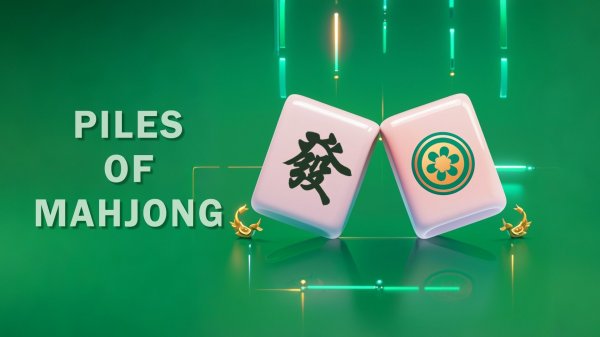
Tiles feature classic motifs such as circles and bamboo sticks alongside newer illustrations like birds and panda heads. This mix of traditional and contemporary artwork adds visual interest without overwhelming the player. The clear, uncluttered interface makes it easy to focus on the puzzle at hand.
Strategic Depth and Planning
While the rules are simple, mastering the game requires careful planning. Players must decide which tiles to select and when to use special actions. Power-ups allow reshuffling the pile, flipping face-down tiles, or automatically matching tiles in the bottom row. These tools can help in tight situations but are limited, so using them wisely is important.
Progression and Rewards
Starting with two free removals from the bottom row, players can earn additional removals through in-game points or optional advertisements. Reward points also unlock reshuffles and flips. This system encourages consistent play without forcing purchases, keeping the experience accessible.
Tips for New Players
Focus on clearing tiles from the top of the stack first to reveal hidden pieces below. Keep an eye on the bottom row and aim to complete matches before it fills up. Use power-ups only when truly stuck, as they are most valuable in later stages. Taking a moment to scan the entire pile before each move can prevent costly mistakes.









Comments
0 comments