Core Gameplay Loop
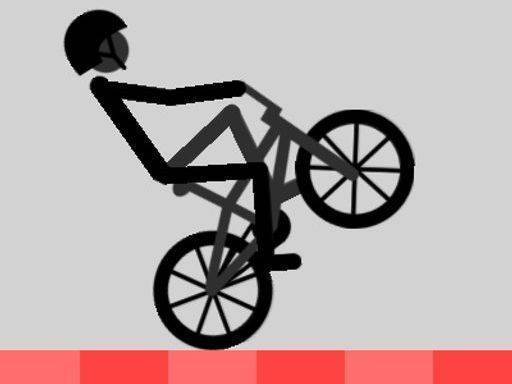
At its heart, this game asks players to maintain a bicycle's balance on a single wheel. The action begins with a simple tap or click to start the ride. From there, the player must make small adjustments to keep the bike from tipping over. The longer the bike stays upright, the higher the score climbs. There is no set endpoint, so the challenge continues until the bike falls. This creates a natural cycle of short attempts, each one pushing the player to improve their previous best.
Control Design & Feedback
The controls are intentionally minimal, relying on a single input method. Players lean the bike forward or backward by tapping or clicking at the right moments. The game responds immediately, giving clear visual feedback when the bike is stable or about to fall. This simplicity makes it accessible to anyone, but the precision required to keep the bike balanced adds a layer of depth. Over time, players develop a feel for the timing needed to correct the bike's tilt.
Visual Style & Atmosphere
The game presents a bright and cheerful visual environment. Colors are vibrant, and the bike itself has a friendly, cartoon-like appearance. The background changes subtly as the ride continues, providing a sense of progression without distracting from the main task. The overall mood is positive and encouraging, which helps players stay focused even after repeated attempts. The lack of complex graphics keeps the experience lightweight and fast-loading.
Session Structure & Replayability
Each attempt is designed to be brief, typically lasting from a few seconds to a couple of minutes for skilled players. This makes the game ideal for short breaks or moments of downtime. There is no story mode or level progression, so the primary motivation comes from self-improvement. Players can set personal targets, such as reaching a certain score or maintaining balance for a specific duration. The straightforward nature of the game means that every new attempt feels fresh, and the desire to beat a personal record keeps players coming back.






Comments
0 comments