Core Gameplay Mechanics
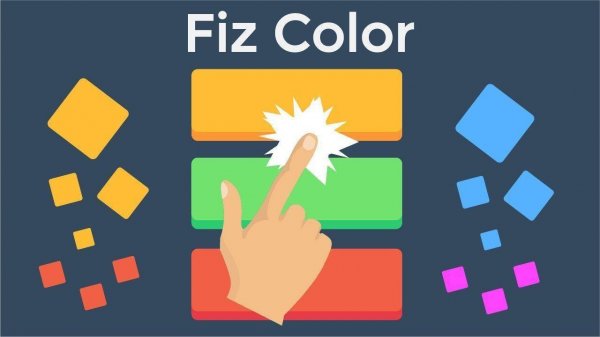
At its heart, Hue Harmony Match is about recognizing and pairing colors to complete each puzzle. The screen displays various colored elements that need to be aligned with their matching targets. This straightforward interaction forms the foundation of every level, encouraging players to observe carefully before making moves. The absence of timers means you can take as long as you need to consider each step.
Level Progression and Variety
As you advance, the puzzles introduce more complex color arrangements and patterns. Early levels focus on basic matching, while later stages require thoughtful sequencing to avoid blocking your own progress. The difficulty increases gradually, ensuring that players never feel overwhelmed. Each new level offers a slightly different arrangement, keeping the experience fresh without introducing sudden difficulty spikes.
Visual and Audio Atmosphere
The game uses bright, cheerful colors that are easy on the eyes, paired with soft background sounds that promote relaxation. The interface is clean and uncluttered, with clear visual cues that guide you without needing instructions. This combination creates a calming environment where the primary goal is enjoyment rather than competition.
Accessibility and Control Options
Controls are designed for simplicity. On desktop, you click with a mouse; on mobile devices, a simple tap suffices. The interface adapts well to different screen sizes, making it playable on phones, tablets, and computers. There are no complex gestures or menus to navigate, which makes the game accessible to players of all technical skill levels.
Approach to Challenge
Hue Harmony Match deliberately avoids pressure. There are no scores, timers, or penalties for mistakes. Instead, the challenge comes from figuring out the optimal order to match colors. This design philosophy encourages experimentation and learning from each attempt. Players can restart any puzzle without consequence, promoting a trial-and-error approach that reduces frustration.








Comments
0 comments