Core Gameplay Loop
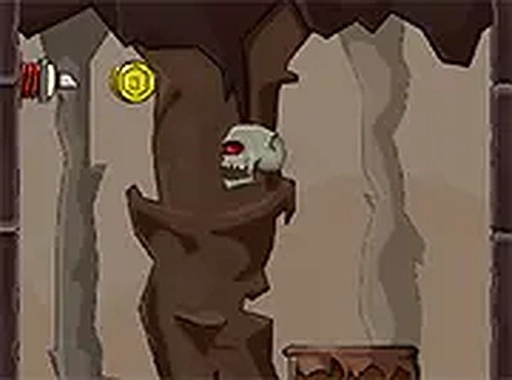
Wall Jump Mastery centers on a simple yet demanding mechanic: players must leap between walls to progress through each stage. The environment is filled with obstacles that require precise timing to avoid. A single misstep ends the run, so every jump must be calculated. This focus on one core action creates a pure skill-based experience where improvement comes from practice and pattern recognition.
Level Design Philosophy
Each level in Wall Jump Mastery introduces new configurations of hazards, forcing players to adapt their strategies. Early stages teach basic wall-jumping rhythms, while later levels combine multiple trap types and tighter gaps. The difficulty curve is gradual, ensuring that players build competence before facing more complex sequences. This design encourages repeated attempts and rewards persistence.
Customization and Progression
As players accumulate points by completing levels, they can visit the in-game shop to purchase new skins for their character. These cosmetic options allow for personal expression without affecting gameplay. Additionally, an update section lets players choose different hero branches, each offering a slightly different visual style. This system adds replay value by giving players goals beyond simply finishing levels.
Technical Considerations
Wall Jump Mastery is optimized for desktop play and supports full-screen mode for an immersive experience. The controls are responsive, which is critical for a game that demands precise inputs. The interface is clean, with minimal distractions, allowing players to focus entirely on the action. This technical polish ensures that the game runs smoothly and feels fair.
Tips for Consistent Progress
Success in Wall Jump Mastery depends on developing a rhythm. Instead of rushing, observe the movement patterns of traps and plan your jumps accordingly. Collecting points early helps unlock new skins, which can serve as small rewards that keep motivation high. Regular practice will sharpen your timing, and patience is essential when facing difficult sections. Each failure provides information that can be used to improve.








Comments
0 comments