Core Swinging Mechanic
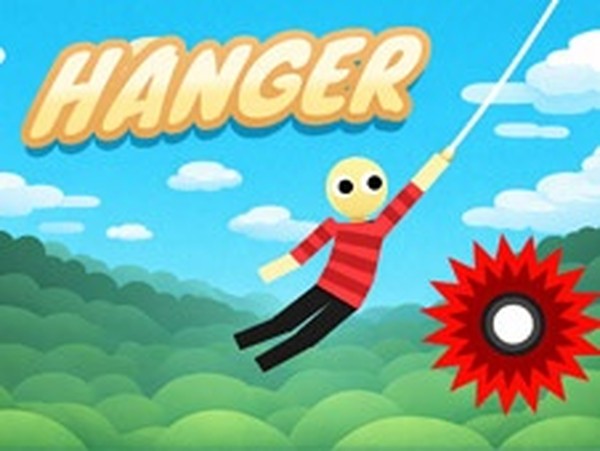
The central action in Swingline Physics Runner revolves around building momentum on a rope. Players start by swinging left and right, then release at the optimal moment to launch forward. After flying through the air, they extend the rope again to catch the next anchor point. This cycle of swing, release, and reattach forms the foundation of every level. The physics engine ensures that each movement feels natural, with the stick figure's weight and speed responding to player input. Success depends on reading the environment and choosing the right angle for each swing.
Obstacle Course Design
Levels are filled with various barriers that require careful navigation. Some obstacles are fixed blocks that block a direct path, while others are moving traps that demand precise timing. Spikes and other hazards can interrupt progress if the player misjudges a swing. The side-scrolling perspective gives a clear view of what lies ahead, allowing players to plan their route. Each stage introduces new arrangements of these elements, gradually increasing the complexity of the course. The design encourages players to find the most efficient path rather than simply surviving.
Efficiency and Scoring System
Performance is measured by how few swings are needed to complete a level. Using fewer swings results in a higher score, pushing players to refine their technique. The game tracks each attempt, so repeated play can lead to better results. This scoring system adds a layer of replayability, as players can revisit earlier stages to improve their record. The challenge lies not just in finishing, but in finishing with minimal moves. This focus on efficiency turns each level into a puzzle of motion.
Visual Style and Presentation
The game uses a simple stick figure character against clean, colorful backgrounds. The ragdoll physics add a touch of unpredictability to the character's movements, making each swing look dynamic. The side-scrolling view keeps the action clear and easy to follow. Visual feedback, such as the rope stretching and the character's posture changing, helps players understand the physics at work. The overall aesthetic is minimal but functional, ensuring that the gameplay remains the primary focus. This straightforward presentation suits the casual nature of the experience.
Progression and Difficulty Curve
Early levels serve as a tutorial, teaching the basic swing and release rhythm. As players advance, obstacles become more tightly spaced and require more precise control. Later stages may introduce elements like moving platforms or narrow gaps that test the player's ability to adjust mid-air. The difficulty increases gradually, giving players time to develop their skills. There is no penalty for failing other than restarting the level, which encourages experimentation. This structure makes the game accessible to newcomers while still offering a challenge for experienced players.



Comments
0 comments