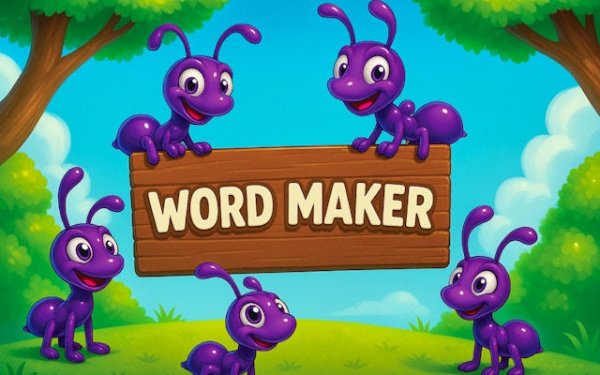
Core Concept
Players receive a collection of jumbled letters and must arrange them into a recognizable word. The interface uses a simple drag-and-drop system where each character can be moved into empty slots. Successfully completing a word unlocks the next stage. This straightforward mechanic keeps the focus on language skills rather than complex controls.
Difficulty Progression
Early stages present short, common words that most players will recognize quickly. As users advance, the puzzles introduce longer terms and less frequent letter combinations. This gradual increase in complexity helps build vocabulary naturally without overwhelming beginners. The system provides immediate feedback on each attempt, allowing players to learn from mistakes.
Visual Design
The interface uses clean, uncluttered layouts with clear letter tiles and well-defined drop zones. Color coding helps distinguish between vowels and consonants, aiding pattern recognition. Animations are smooth but minimal, ensuring the focus remains on the puzzle itself. The design works well on both desktop and mobile screens.
Learning Support
Each completed puzzle reinforces spelling patterns and word structure. The game encourages players to think about letter order and common prefixes or suffixes. Regular play can improve reading speed and accuracy. The content is appropriate for classroom use or independent practice at home.
Player Experience
Sessions can be as short as a few minutes or extend into longer practice periods. The lack of timers or pressure allows users to work at their own pace. This makes the game suitable for casual play during breaks or focused study time. Progress is saved automatically, so players can return to unfinished puzzles later.






Comments
0 comments